It is not just about the pool, the thread count, or the view from the room. Travelers today are looking for something harder to put in a brochure. They want to feel something. They want to come back different.
We live in a world that is faster, louder, and more connected to screens than ever before. AI is transforming how we work, how we communicate, and how we move through the world. And paradoxically, the more technology accelerates our daily lives, the more people crave the opposite when they travel. Not efficiency. Not convenience. Depth.
This is why a new category of hospitality has emerged, and why the brands that understood it early are now some of the most recognized names in the world.
From amenities to experiences
For decades, luxury hospitality competed on what it offered. The spa, the restaurant, the design of the lobby. These things still matter. But they are no longer enough to build loyalty, community, or the kind of word-of-mouth that no marketing budget can buy.
Generic luxury hotels lacking a distinctive identity or compelling guest experience are beginning to struggle. What is replacing them is something different. The next generation of guests does not just want to stay. They seek to invest in an experiential realm that reflects their identity, values, and lifestyle.
This is not a niche trend. Bain & Altagamma reported that luxury consumers continued to prioritize experiences over possessions. Hilton's 2025 Trends report found that one in four travelers planned to seek out unique experiences. The global luxury hotel market is forecast to rise from $154 billion in 2024 to $369 billion by 2032. The brands capturing the largest share of that growth are not the ones with the most rooms. They are the ones with the most meaning.
What an experience actually is
An experience is not a tour. It is not an activity on a printed schedule slipped under the door.
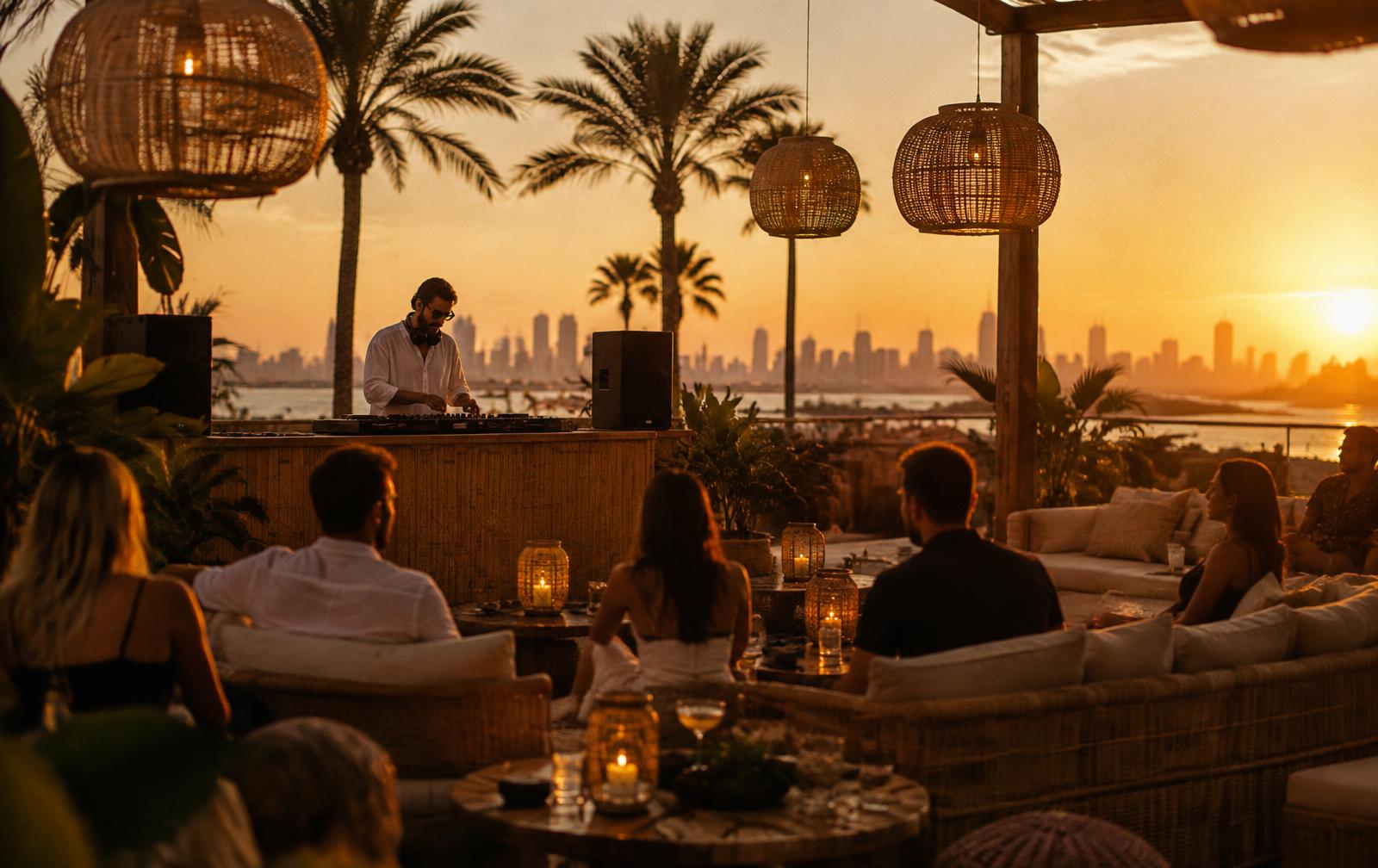
A real experience is something you feel in your body. A breathwork session at sunrise that makes you cry without knowing why. A community dinner where you sit next to a stranger and leave with a friend. A sound healing ceremony that quiets the noise in your head for the first time in months. A DJ set at golden hour that makes everyone on the terrace stop their conversations and just listen.
These moments do something that a comfortable bed and a good breakfast cannot. They create memories. And memories are what make people return.
The brands that understood this first
Habitas built its entire identity around this philosophy. What started as a popup hotel in Tulum in 2016 became a global brand not because of its architecture but because of its community. Every property was designed to bring people together, to create the conditions for connection, and to offer experiences that invited guests to go inward as much as outward. The result was a loyal, global following that traveled specifically to be in a Habitas environment.
Scorpios emerged in 2015 as a contemporary interpretation of the ancient Greek agora, a gathering place for artists, free spirits, and changemakers to connect, collaborate, and celebrate under the open sky. Their founders described their concept as shamanic house music when they launched. Nobody had heard anything like it. Scorpios set the standard for a new kind of beach experience infused with a creative ethos that nurtures community and collaboration, ushering in a cultural shift from all-night entertainment to all-day ease. Today Scorpios is expanding globally, with locations in Bodrum, Tulum, and beyond, each built around music, art, food, and wellbeing.
Soho House, with approximately 226,000 members globally, generates around 45% of its revenue from memberships rather than hotel stays, which tells you everything about where the real value lives. People are not paying to sleep there. They are paying to belong.
The role of music
One element that these brands understand better than most is the power of sound.
Music is not background. It is not something you hire out to a playlist service and forget. The sonic identity of a place is as important as its visual identity. The right music at the right moment can shift the entire emotional tone of an experience. It can make a terrace feel alive, a dinner feel intimate, an evening feel like something that will never happen again exactly this way.
The brands that get this invest in it seriously. They think about the arc of a day. The music that welcomes you at arrival is not the music that plays at sunset, and neither is the music that carries a night into the early hours. Each moment has its own emotional signature, and sound is the most direct path to that signature.
What this means for hospitality going forward
2026 marks a pivotal inflection point for hospitality. As demand for immersive, experience-led destinations surges, design must move beyond transactions to create enduring emotional and cultural capital.
The hotels and venues that will thrive in the coming decade are the ones that ask a different question. Not "what can we offer?" but "what will our guests remember?" Not "how do we fill rooms?" but "how do we build community?"
The answer is not in the amenities. It is in the moments. The morning ritual, the shared meal, the artist who plays something unexpected, the practitioner who helps a guest breathe more deeply than they have in years.
These are not luxuries. For a growing number of travelers, they are the whole point.
The hospitality industry is changing. The winners will be the ones who understand that what people are really looking for when they travel is not a place to stay. It is a reason to feel alive.